Image



Digital sovereignty often sounds abstract but, in practice, it comes down to technical decisions: where data is stored, who controls the platform, how systems are maintained over time, and how much privacy, transparency, and independence is built in from the start.
These choices directly affect how digital services are designed and delivered. That is why digital sovereignty is a key theme at DrupalCon Rotterdam 2026. The event’s Digital Sovereignty & Open Web track connects platform strategy with architecture, governance, accessibility, regulation, and the long-term future of open digital ecosystems.
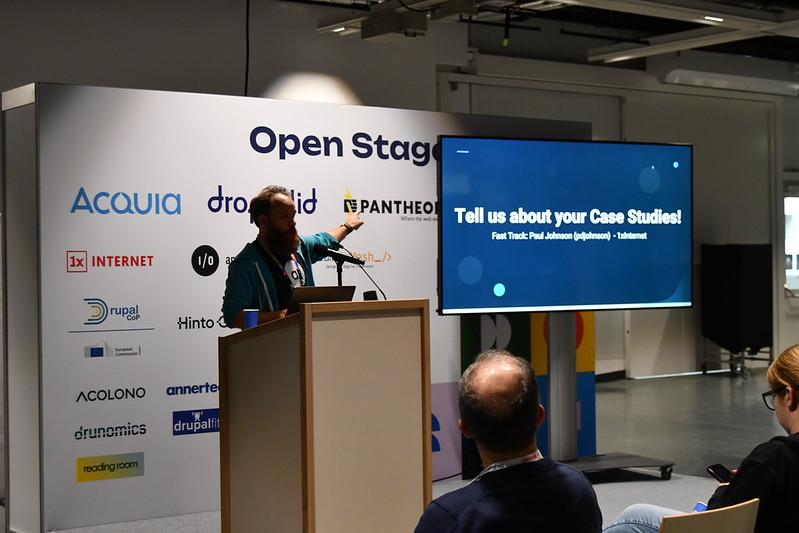
Photo by Matthew Saunders
This is not only a policy discussion, it is also a practical one. Privacy-first architecture, public code, digital identity, accessibility, open-source infrastructure, and responsible AI all shape how organisations think about control and trust today. In that context, digital sovereignty is no longer a side topic, it's becoming part of how teams approach procurement, hosting, compliance, and long-term platform resilience.
That is what makes this conversation especially relevant in Rotterdam. Developers can connect values to implementation, digital leaders can look at governance and long-term control and public sector teams, accessibility advocates, and open-source contributors can all bring important perspectives to the same discussion.
Drupal has long been part of the open web story. At DrupalCon Rotterdam, digital sovereignty becomes a practical question: how do we build systems that remain open, secure, adaptable, and worthy of trust.
- Article by Daniela Moreira.
Continue the conversation at DrupalCon Rotterdam 2026, where the Digital Sovereignty & Open Web track explores the technologies, strategies, and decisions shaping open digital ecosystems.
👉 Register for DrupalCon Rotterdam 2026